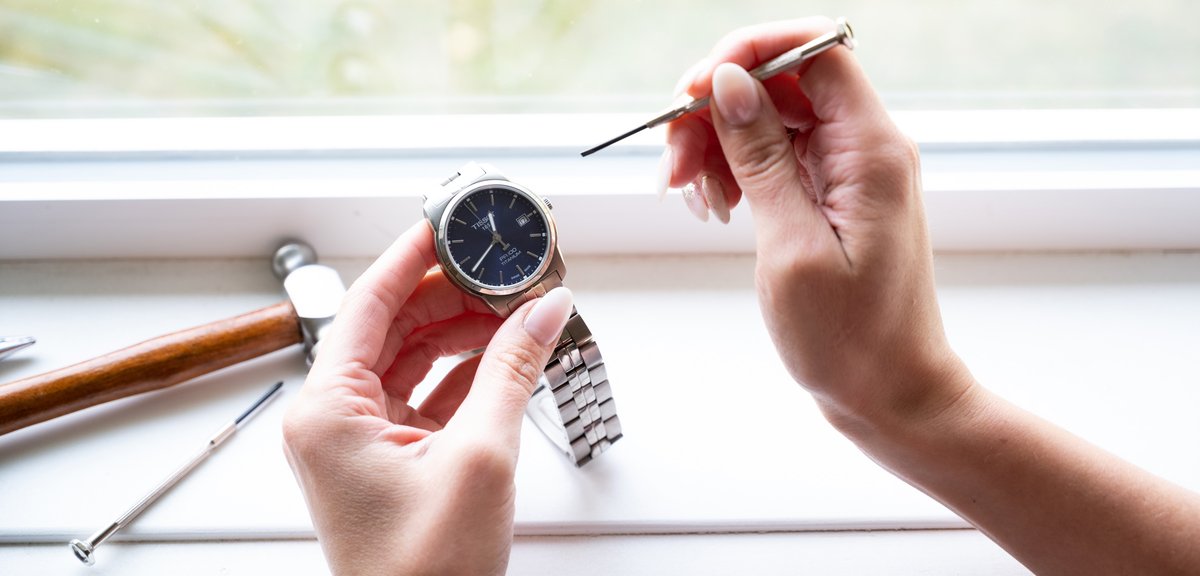
Few possessions blend utility, artistry, and sentiment quite like a fine timepiece. It’s more than just a device that tells time; it’s a personal statement, a family heirloom, or a testament to engineering prowess. But even the most meticulously crafted watch isn't immune to the ravages of time, wear, and the occasional mishap. Recognizing the subtle (or not-so-subtle) cues that your watch needs professional attention is paramount. It’s not just about fixing a problem; it's about preserving its value, extending its life, and ensuring it continues to keep pace with your own.
Ignoring early warning signs can transform a minor adjustment into a costly overhaul, or worse, lead to irreparable damage. So, how do you know when to seek professional watch repair services? By learning to read your watch's silent language.
At a Glance: Key Takeaways for Watch Owners
- Accuracy is Everything: If your watch gains or loses several minutes daily, it's a clear cry for help.
- Check the Second Hand: Erratic or skipping movement in a quartz watch often signals a low battery, but persistent issues need expert eyes.
- Watch Out for Moisture: Condensation under the crystal is an emergency – act fast to prevent rust.
- Crown & Buttons: Stiffness or looseness can indicate internal issues or compromised seals.
- Listen Closely: Unusual ticking, rattling, or grinding sounds mean something's amiss internally.
- Sudden Stoppage: From a dead battery to a broken mainspring, a stopped watch requires diagnosis.
- Visible Damage: Cracks or dents aren't just cosmetic; they compromise protection and water resistance.
- Strap & Bracelet Security: Loose links or a failing clasp can lead to loss or discomfort.
- Misaligned Hands: Hands that don't quite line up point to a movement problem.
- Don't Skip Service: Even if it seems fine, routine maintenance prevents costly future issues.
Why Your Watch Deserves Expert Care
Your watch is a marvel of miniaturized engineering. Mechanical watches can contain hundreds of tiny, interdependent parts, all working in harmony. Quartz watches, while simpler, still rely on precise electronic circuits and a delicate gear train. Over time, components wear down, lubricants dry up, and seals degrade. These aren't issues you can fix with a screwdriver and a YouTube tutorial. Attempting DIY repairs without specialized tools, parts, and expertise can inflict more harm than good, turning a simple service into a nightmare for a professional watchmaker – or rendering your beloved timepiece worthless.
Think of it like this: you wouldn't perform open-heart surgery on yourself, nor would you entrust a complex engine repair to an amateur. Your watch, in its own way, is just as intricate and deserving of specialized care from someone who lives and breathes horology.
The Telltale Signs: When to Call Your Watchmaker
Understanding these common indicators is the first step in becoming a responsible watch owner. Don't wait until a small issue becomes a catastrophe.
1. When Time Becomes Relative: Inaccurate Timekeeping
This is perhaps the most fundamental sign that your watch needs attention. A watch's primary job is to tell time accurately. If your timepiece consistently runs too fast or too slow, gaining or losing several minutes a day, it’s a red flag waving vigorously. A minor deviation of a few seconds is acceptable for most watches, but significant discrepancies demand action.
- What it could mean: For mechanical watches, common culprits include magnetization (exposure to strong magnetic fields), a weakened or broken mainspring, a dirty or worn-out escapement, or simply a need for regulation. Quartz watches are generally more accurate, so significant inaccuracy might point to a failing circuit, a dying battery (though usually a skipping second hand is the first sign), or even physical damage to the movement.
- Why it matters: An inaccurate watch defeats its primary purpose and suggests underlying mechanical stress. Left unchecked, worn components can accelerate damage to other parts of the movement.
- Your move: Don't try to "fix" the time by constantly adjusting it. A professional watchmaker can accurately diagnose the cause, demagnetize the watch if necessary, regulate the movement for optimal performance, or replace faulty components.
2. The Erratic Pulse: Second Hand Skips or Jumps
For quartz watches, a second hand that skips multiple seconds at a time (often called an "end-of-life" or "EOL" indicator) is usually the first sign of a low battery. While a simple battery replacement often resolves this, don't assume that's always the case.
- What it could mean: Beyond a low battery, erratic movement, stuttering, or an outright stopped second hand can signal a more profound issue. This might include dirt ingress, a worn gear, a faulty stepping motor, or even circuit board damage. For mechanical watches, any non-smooth motion of the second hand (beyond the natural sweep) could indicate a problem with the escapement or gear train, requiring immediate inspection.
- Why it matters: Persistent issues, even after a battery change, suggest internal damage. Ignoring it could lead to further wear on the movement.
- Your move: For quartz watches, try a professional battery replacement first. If the skipping or jumping continues, or if you observe this behavior in a mechanical watch, it’s time for an expert diagnosis. They can inspect the movement for worn components or other damage.
3. The Uninvited Guest: Moisture or Condensation Under the Crystal
Seeing condensation, fog, or visible water droplets inside your watch crystal is an urgent emergency. This indicates that your watch's water resistance has been compromised, allowing humidity or liquid to enter the case.
- What it could mean: The presence of moisture is a direct threat to the delicate internal mechanisms. Water and electronics/metal parts are a recipe for disaster, leading to corrosion, rust, and potentially irreversible damage to the movement, dial, and hands. Even small amounts of condensation can cause significant issues over time. Remember, "water resistance" does not mean "waterproof," and seals can degrade with age or impact.
- Why it matters: Corrosion starts quickly. Every hour that moisture remains inside the watch increases the likelihood of extensive and costly repairs, or even rendering the watch irreparable.
- Your move: Act immediately. Do not try to dry it out yourself with heat or by opening the case. Take your watch to a professional watch repair service as quickly as humanly possible. They will open the case, dry out the components, clean them thoroughly to remove any corrosive residue, and then replace all gaskets and seals to restore the watch's water resistance.
4. A Sticky Situation: Stiff or Loose Crown and Buttons
The crown (the small knob on the side used for winding and setting the time) and any pushers (buttons) are crucial interfaces with your watch's movement. If they feel unusually stiff, loose, or become unresponsive, it’s a sign something isn’t right.
- What it could mean: A stiff crown might be due to dirt and debris buildup, dried-up lubricants, or even a bent winding stem. A loose or wobbly crown suggests a problem with the winding stem attachment, a worn gasket, or an internal mechanical fault that needs immediate attention. Similarly, unresponsive pushers on a chronograph could mean debris, worn springs, or issues within the chronograph mechanism itself.
- Why it matters: A compromised crown can affect water resistance, allowing moisture and dust into the case. Furthermore, if the crown or pushers aren't functioning correctly, you can't properly wind or set your watch, and there's a risk of further internal damage.
- Your move: Avoid forcing a stiff crown, as this can break the winding stem. A professional can clean and lubricate these components, replace worn gaskets, and address any internal mechanical issues to restore smooth operation and integrity.
5. The Whispers of Trouble: Unusual Sounds
Most well-maintained mechanical watches operate with a subtle, consistent tick that you might only hear in quiet environments. If you start hearing loud ticking, rattling, grinding, or any other unusual noises emanating from your watch, it's a definite cause for concern.
- What it could mean: Loud ticking can sometimes indicate an issue with the escapement. Rattling often points to a loose screw, a detached rotor (in an automatic watch), or other internal components that have come adrift. Grinding noises are particularly alarming, suggesting metal-on-metal friction from worn-out gears or a severe lack of lubrication.
- Why it matters: These sounds are not normal and are often indicators of parts rubbing where they shouldn't, lacking lubrication, or being completely detached. Continuing to wear a watch making such sounds can cause exponential damage as loose parts move freely and grind against precision components.
- Your move: If your watch develops unusual sounds, stop wearing it and refrain from winding or shaking it. Take it to a professional watchmaker immediately for a thorough inspection. They will open the case, identify the source of the noise, and address the underlying issue.
6. A Sudden Halt: When Your Watch Stops Working Completely
This is arguably the most obvious sign that something is wrong. Whether your watch simply stops dead in its tracks or only runs for a few moments after being wound, it requires immediate attention.
- What it could mean: For quartz watches, the simplest explanation is a dead battery. However, it could also be a faulty circuit or a mechanical jam. For mechanical watches, a complete stop might indicate a broken mainspring, significant dirt or debris clogging the movement, a severe impact that has dislodged components, or a lack of power reserve (if it's an automatic that hasn't been worn or wound).
- Why it matters: A stopped watch isn't just inconvenient; it could be signaling a major internal failure. Leaving it stopped for extended periods, especially if the issue is dirt or damage, won't help.
- Your move: For quartz watches, a battery change is the first logical step. For mechanical watches, ensure it's fully wound. If neither resolves the issue, professional diagnosis is essential. A watchmaker can precisely pinpoint the problem and recommend the appropriate repair, from a mainspring replacement to a full movement service.
7. The Battle Scars: Visible Damage on Case or Crystal
Physical damage, such as a cracked crystal, deep scratches on the case, or a dented bezel, is more than just an aesthetic issue. While a tiny scratch might just be character, significant damage impacts the watch's integrity.
- What it could mean: A cracked or shattered crystal (the clear cover over the dial) immediately compromises the watch's protection against dust and moisture. Even hairline cracks can allow microscopic particles and humidity to enter the movement. Dents or deformation of the case can similarly affect the sealing, risking water ingress. Scratches on the crystal might impair readability or signal deeper issues if they're severe.
- Why it matters: Compromised water resistance is the biggest risk here. Dirt and moisture are the sworn enemies of watch movements. Additionally, a severely damaged crystal could even detach, exposing the dial and hands.
- Your move: Depending on the severity, a professional can replace the crystal, polish or restore the case, and ensure all seals are intact. This not only restores the watch's appearance but, more importantly, its protective capabilities.
8. The Weak Link: Bracelet, Strap, or Clasp Issues
While not directly related to the watch's internal mechanics, problems with the bracelet, strap, or clasp are critical for both comfort and security. A watch that falls off your wrist is a watch at risk of severe damage or loss.
- What it could mean: Common issues include stretched or broken links on a metal bracelet, a weak or damaged clasp that doesn't securely fasten, or a worn-out leather strap that shows cracks, tears, or fraying. Spring bars (the small pins holding the strap to the case) can also bend or break.
- Why it matters: A failing attachment mechanism makes wearing the watch uncomfortable, insecure, and significantly increases the risk of it falling off your wrist, potentially causing catastrophic damage to the watch head itself.
- Your move: A professional can replace individual links, repair or replace a faulty clasp, or advise on the best replacement strap. They can also ensure proper fitting and use high-quality spring bars, giving you peace of mind that your watch is secure.
9. The Alignment Dilemma: Misaligned Watch Hands
If the hour, minute, or second hands on your watch are not properly aligned – for instance, the minute hand doesn't point precisely to 12 when the hour hand is exactly on an hour marker, or they overlap incorrectly – it indicates an issue. This is especially noticeable on quartz watches or chronographs where reset hands should return to zero.
- What it could mean: Misalignment can stem from a variety of sources, including a manufacturing defect, a severe impact that has shifted the hands on their pinions, or a problem within the movement itself preventing smooth, coordinated operation. On chronographs, hands that don't reset perfectly to zero might indicate a need for adjustment or repair of the chronograph mechanism.
- Why it matters: While sometimes just an aesthetic annoyance, significant misalignment can indicate that the hands are rubbing against each other or against the dial, which can scratch the dial or impede the watch's function. It also points to a lack of precision that undermines the watch's reliability.
- Your move: This is a precision job. A professional watchmaker has the specialized tools to carefully remove the crystal, realign the hands on their respective shafts, and ensure they operate without obstruction.
10. The Unseen Enemy: Regular Servicing Is Overdue
Even if your watch appears to be functioning perfectly, ignoring recommended service intervals is a ticking time bomb. Think of it like your car: you wouldn't wait for the engine to seize before getting an oil change. Preventative maintenance is crucial for longevity.
- What it could mean: Over time, lubricants within mechanical movements dry out, thicken, or break down, causing increased friction and wear on tiny gears and pivots. Gaskets and seals become brittle, losing their water resistance. Quartz movements can also accumulate dust or experience electronic degradation. Without regular cleaning, lubrication, and inspection, minor issues can silently escalate into major problems, leading to premature wear and costly repairs.
- Why it matters: Skipping service can significantly shorten the lifespan of your watch. The cost of a routine service is often far less than the cost of repairing extensive damage caused by neglect. Regular maintenance ensures your watch operates at peak performance, maintains its accuracy, and retains its value.
- Your move: Experts typically recommend servicing mechanical watches every 5-7 years and quartz watches every 3-5 years (depending on the brand and model). Don't wait for a problem to arise. Consult your watch's manual or a trusted watchmaker for specific recommendations. Proactive care can save you headaches and expense down the line, ensuring your watch doesn't suffer from preventable issues, such as those discussed in Your guide to Frozen Watch frozen which often stem from extreme conditions combined with inadequate maintenance.
Beyond the Signs: Proactive Care and Choosing a Watchmaker
Recognizing the warning signs is vital, but so is understanding how to minimize the need for unexpected repairs and who to trust when the time comes.
Simple Steps for Everyday Watch Care
- Keep it Clean: Gently wipe your watch with a soft, lint-free cloth to remove dirt, sweat, and oils.
- Avoid Extremes: Protect your watch from extreme temperatures, direct sunlight, and strong magnetic fields.
- Mind the Water: Even "water-resistant" watches have limits. Avoid steam rooms, hot tubs, or submerging them unless explicitly rated for such activities. Always ensure the crown is pushed in or screwed down.
- Handle with Care: Avoid dropping your watch or subjecting it to harsh impacts.
Choosing Your Watch's Doctor: Finding a Reputable Watchmaker
When your cherished timepiece needs attention, choosing the right professional is critical. Not all "watch repair" services are created equal.
- Look for Certifications: Many professional watchmakers hold certifications from reputable institutions (e.g., WOSTEP, SAWTA) or brand-specific training. This indicates a high level of expertise and adherence to industry standards.
- Ask About Experience: Inquire about their experience with your specific watch brand or type (e.g., vintage, high-complication, specific movements).
- Transparency is Key: A good watchmaker will provide a clear estimate, explain the necessary repairs, and inform you if they need to send the watch to the manufacturer for specialized parts or service.
- Warranty: Reputable services offer a warranty on their repairs, typically for a year or more.
- Original Parts: For valuable watches, ask if they use genuine manufacturer parts or high-quality aftermarket alternatives, and understand the implications of each.
- Check Reviews and Referrals: Online reviews and recommendations from fellow watch enthusiasts can be invaluable.
Common Watch Repair Misconceptions
- "My watch is waterproof, so I don't need to worry about water." False. No watch is truly "waterproof"; they are "water-resistant" to varying degrees. This resistance diminishes over time as gaskets age.
- "It's just a battery, I can change it myself." While technically possible, opening a watch case improperly can introduce dust, damage the movement, or compromise water resistance if seals aren't correctly reinstalled.
- "My mechanical watch is fine; it keeps running." A watch can keep running even when severely overdue for service. The damage from dry lubricants or worn parts happens internally, quietly accelerating wear until a catastrophic failure occurs.
- "Old watches can't be fixed." Many vintage watches can be restored beautifully by skilled watchmakers, often bringing them back to full working order and preserving their historical value.
Your Next Move: What to Do When You Spot a Problem
You've identified a sign that your watch needs professional help. What's next?
- Stop Winding/Wearing: If you hear unusual noises, notice extreme inaccuracy, or see moisture, immediately stop winding or wearing the watch. This prevents further damage.
- Document the Issue: Note down exactly what you've observed (e.g., "gains 5 minutes a day," "second hand skips 2 seconds," "condensation appeared after a rain shower"). This information is invaluable for the watchmaker.
- Find a Reputable Professional: Use the criteria above to locate a trusted watch repair service. Don't simply go to the cheapest option; quality and expertise are worth the investment.
- Prepare for a Consultation: Bring your watch, any original boxes or papers (especially for warranty), and your notes on the problem. Be ready to discuss the watch's history and any incidents.
- Listen to the Expert: A good watchmaker will explain the diagnosis and proposed repairs clearly. Ask questions if you don't understand.
Investing in Timelessness
Your watch is more than a time-telling device; it's a piece of art, a feat of engineering, and potentially a cherished family heirloom. By understanding the signs that signal a need for professional watch repair services, you're not just fixing a malfunction—you're making a conscious investment in its longevity, accuracy, and continued place in your life and potentially, in the lives of future generations. Don't delay; act when your watch gives you the signal, and it will continue to serve you well for years to come.