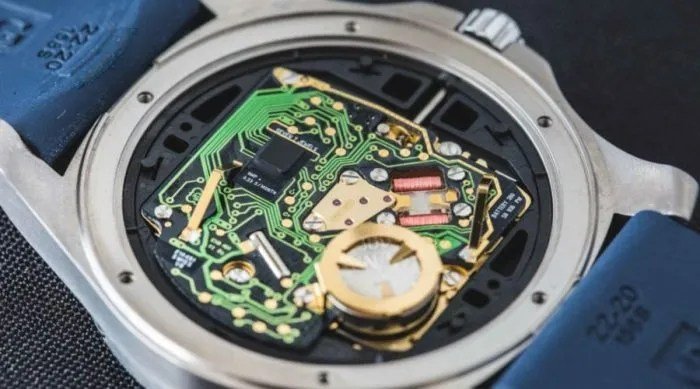
For discerning watch owners, there’s an unspoken truth: a watch isn't just a device for telling time; it's a miniature marvel of engineering, a personal statement, and often, an heirloom in the making. Ensuring your timepiece remains a reliable companion for decades isn't a matter of luck, but of diligent preventative care. Neglecting the small practices can slowly chip away at its precision, beauty, and lifespan, turning a potential family treasure into a prematurely retired relic.
This guide will walk you through everything you need to know about Preventative Care for Watch Longevity, from daily habits to professional interventions, ensuring your cherished watch keeps ticking faithfully through the years.
At a Glance: Key Takeaways for Your Watch's Well-being
- Know Your Watch Type: Mechanical watches (manual or automatic) need more frequent professional servicing than battery-powered quartz watches.
- Guard Against Water & Humidity: "Water resistant" is not "waterproof." Always check ratings and avoid water exposure unless your watch is designed for it. High humidity is a silent killer.
- Clean Regularly, Carefully: A soft cloth and mild soap are your best friends for removing daily grime and perspiration, especially for metal bracelets.
- Service on Schedule: Mechanical watches typically need a professional tune-up every 3 to 5 years. Don't wait for a problem to appear.
- Mind Extremes: Keep your watch away from severe heat, cold, and rapid temperature shifts, which can damage internal lubricants and components.
- Store Smart: Use watch boxes or winders to protect from dust, scratches, and maintain consistent winding for automatics.
- Handle with Care: Avoid impacts, intense physical activities, and always secure your watch properly.
Understanding Your Timepiece's Heartbeat
Before you can effectively care for your watch, it helps to understand what makes it tick – literally. Not all watches are created equal, and their fundamental differences dictate their care requirements.
The Intricacies of Mechanical Movements
Mechanical watches are a testament to human ingenuity, powered by a complex dance of springs, gears, and levers. Whether you wind it yourself (manual) or it winds itself through your motion (automatic), these watches are essentially tiny, sophisticated machines. Their intricate nature means they thrive on consistency and precision.
- Manual-Wind: You're the power source! Daily winding keeps the mainspring taut and the watch running.
- Automatic: Powered by an oscillating weight that responds to your wrist movements. A watch winder can keep it going when not worn.
Because they rely on a delicate interplay of hundreds of tiny, lubricated parts, mechanical watches are often described as having a "heartbeat." This complexity is also why they demand more attentive, regular professional servicing. It's a bit like owning a classic sports car – the engineering is magnificent, but it needs a specialist's touch to stay in peak condition. For those fascinated by the intricacies of watch movements, understanding their inner workings deepens appreciation for their care.
The Simplicity of Quartz Power
Quartz watches operate on a completely different principle. They're battery-powered, using the precise vibrations of a quartz crystal to regulate time. This design makes them incredibly accurate, robust, and generally less demanding in terms of everyday maintenance.
- Battery Replacements: The most common service need.
- Less Frequent Professional Care: While they benefit from occasional checks for seals and general cleanliness, they don't require the same periodic lubrication and adjustment as mechanical watches.
For the daily wearer who prioritizes precision and low maintenance, quartz watches are often the go-to. However, "low maintenance" doesn't mean "no maintenance."
The Unseen Enemy: Water and Humidity
Water damage is one of the most common and devastating threats to a watch's longevity. A simple splash or even prolonged exposure to humid air can wreak havoc on delicate internal components.
Water Resistance vs. Waterproof: A Critical Distinction
This is perhaps the most misunderstood aspect of watch care. The terms "water resistant" and "waterproof" are often used interchangeably, but in the world of horology, they are vastly different.
- Water Resistant: This rating (e.g., 30m, 50m, 100m) indicates a watch's ability to withstand certain levels of water pressure under specific laboratory conditions. A "30m water resistant" watch is generally safe for splashes or rain, but not for swimming or showering. "50m" might handle a brief, shallow swim, but "100m" is typically recommended for surface swimming.
- Waterproof: A term rarely used by reputable watchmakers today because no watch is truly "waterproof" indefinitely. Watches designed for extensive water exposure, like serious dive watches, are better described as having high water resistance (e.g., 200m or 300m) and are built to exacting standards for aquatic activities.
Crucial Takeaway: Never assume your watch can handle water activities unless its water resistance rating explicitly permits it, and even then, adhere strictly to the guidelines.
Safe Water Exposure Tips
Even with a water-resistant watch, mindful habits are key:
- Check Your Rating: Before any potential water contact, confirm your watch's water resistance rating. If unsure, assume it's not water-friendly.
- Crown & Pushers: Never press buttons or adjust the crown while your watch is submerged in water. This creates an immediate pathway for water to enter.
- Post-Swim Care: After any water exposure, especially in saltwater or chlorinated pools, gently rinse your watch with fresh water (if its rating allows) and dry it thoroughly with a soft, absorbent cloth.
- Seal Checks: Over time, gaskets and seals degrade. If your watch is regularly exposed to water, have its water resistance checked by a professional annually.
The Silent Threat of Humidity
While dramatic water immersion gets attention, high humidity can be a more insidious enemy. Moisture in the air can gradually infiltrate a watch, leading to condensation, corrosion, and rust on internal components. This is particularly problematic in tropical climates or even just consistently damp environments.
- Storage Environment: Store your watches in a dry environment. A watch box offers some protection, and for very high-humidity areas, a desiccant pack (like silica gel) within the storage area can be beneficial.
- Avoid Bathrooms: Never leave your watch in a bathroom, especially during or after a hot shower, as the steam and humidity are detrimental.
The Simple Act of Cleaning
Daily wear means your watch accumulates dirt, dust, skin oils, and perspiration. Regular, gentle cleaning not only keeps it looking pristine but also prevents grime from hardening and potentially damaging finishes or seals.
Your Essential Cleaning Toolkit
- Soft, Lint-Free Cloth: Microfiber cloths are ideal.
- Mild Soap Solution: A tiny drop of dish soap mixed with lukewarm water.
- Soft Brush: An old, soft toothbrush or a dedicated watch brush for metal bracelets.
- Water (if applicable): Only for water-resistant watches and only for the case and bracelet.
Step-by-Step Cleaning Guide
- Preparation: If your watch has a non-water-resistant leather strap, remove it before cleaning the watch head. If the watch isn't water-resistant, you'll need to be extra careful and only use a barely damp cloth.
- Case Cleaning:
- Dampen your soft, lint-free cloth slightly with the mild soap solution.
- Gently wipe down the watch case, crystal, and bezel. Focus on areas where grime tends to build up, like around the lugs and crown.
- Avoid abrasive materials or harsh chemicals, which can scratch surfaces or damage seals.
- Bracelet Brilliance (for metal bracelets):
- If your watch is water-resistant, you can take the bracelet off (if detachable) or keep it attached.
- Dip your soft brush into the soap solution and gently scrub between the links, paying attention to the underside where dirt often accumulates.
- Rinse the bracelet thoroughly under lukewarm running water (again, only if the watch is sufficiently water-resistant).
- Immediately dry the bracelet with a soft, absorbent cloth. Ensure no water droplets remain in the links, as stagnant moisture can lead to corrosion.
- Final Touches: Once all parts are completely dry, reassemble if you removed the strap. Give the watch a final wipe with a clean, dry microfiber cloth to remove any smudges.
Leather Strap Care
Leather straps require different care. They should not be immersed in water. Instead, wipe them down with a slightly damp cloth (plain water) and condition them periodically with a leather conditioner to prevent drying and cracking. Remember, leather is a natural material that will age and develop a patina, which is part of its charm.
Beyond the Everyday: When to Call in the Pros
Just like your car needs regular check-ups, your watch—especially a mechanical one—benefits immensely from professional servicing. This isn't just about fixing problems; it's about preventing them.
Signs Your Watch Needs a Professional Touch
Your watch will often give you subtle clues when it's time for a visit to the watchmaker:
- Inaccuracy: If your watch is consistently running significantly fast or slow, it's a clear sign its movement needs attention.
- Stiffness: Difficulty winding the crown, or a sticky feeling when setting the time, indicates potential issues with the stem or crown mechanism.
- Unusual Sounds: Any new grinding, whirring, or ticking sounds that weren't there before can point to a component malfunction.
- Water Damage: Visible condensation under the crystal, fogging, or a milky appearance is an emergency. Get it to a professional immediately to minimize corrosion. For a vivid example of what happens when water damage goes unchecked, Explore the Frozen Watch and witness the devastating effects.
- Reduced Power Reserve: An automatic watch that runs down quickly after being worn for a full day might indicate a winding efficiency problem.
The Professional Servicing Process
A full service for a mechanical watch is a meticulous process, typically involving:
- Disassembly: The watch is carefully taken apart, often hundreds of components.
- Cleaning: All parts are thoroughly cleaned in specialized solutions to remove old, degraded oils and microscopic debris.
- Inspection: Each component is inspected for wear, damage, or deformation. Worn parts are replaced with genuine components.
- Lubrication: Fresh, high-grade lubricants are applied to friction points, specific to each component's needs. This is critical for smooth operation and longevity.
- Reassembly: The watch is meticulously put back together.
- Regulation & Testing: The movement is regulated to ensure optimal timekeeping accuracy. Water resistance (if applicable) is re-tested, and the watch undergoes a final aesthetic and functional check.
Frequency of Professional Care
- Mechanical Watches: Experts generally recommend a full professional service every 3 to 5 years. Waiting longer can lead to accelerated wear as lubricants degrade and dry out.
- Quartz Watches: While less frequent, quartz watches benefit from a check-up every 5 to 7 years, primarily for gasket replacement, battery change, and general cleaning. This ensures seals remain intact and the watch stays in good overall condition.
Don't fall into the trap of thinking "if it ain't broke, don't fix it." For watches, preventative servicing is far less costly and damaging than reactive repair. It's an investment in your watch's future.
Temperature Extremes: A Silent Threat
Your watch is designed to perform optimally within a certain range of temperatures. Exposing it to extreme heat, cold, or sudden temperature shifts can have detrimental effects on its performance and longevity.
The Impact of Extreme Temperatures
- Excessive Heat: High temperatures can cause the delicate lubricating oils within a mechanical movement to thin, spread, or even evaporate prematurely. This increases friction between components, leading to accelerated wear and accuracy issues. Direct sunlight and hot car dashboards are common culprits.
- Extreme Cold: Conversely, very low temperatures can cause lubricating oils to thicken, making the movement sluggish and increasing friction. This can lead to slower timekeeping and increased strain on components.
- Rapid Temperature Changes: Moving quickly from one extreme to another (e.g., from a hot sauna to an ice bath, or a freezing outdoors to a warm indoor environment) can cause internal condensation. This moisture can lead to rust and corrosion, and also place stress on gaskets, potentially compromising water resistance.
Protecting Your Watch from the Elements
- Avoid Direct Sunlight: Don't leave your watch sitting in direct sunlight for prolonged periods, especially on a windowsill or in a hot car.
- Climate-Controlled Storage: Store your watches in a stable, climate-controlled environment, away from direct heat sources or drafts.
- Be Mindful of Activities: Remove your watch before entering saunas, hot tubs, or taking part in activities where it might be exposed to extreme cold for extended periods.
Smart Storage for Long-Term Health
How you store your watch when it's not on your wrist plays a crucial role in its protection and readiness for wear. Good storage protects against physical damage and maintains the watch's internal health.
The Benefits of Watch Winders
For owners of automatic watches, a watch winder isn't just a fancy accessory; it's a functional tool.
- Continuous Winding: Simulates the motion of your wrist, keeping the automatic movement wound and the watch running.
- Lubricant Distribution: Ensures the internal lubricants remain evenly distributed, preventing them from settling or thickening, which can happen with prolonged inactivity.
- Ready to Wear: Your watch is always set to the correct time and date, ready to be strapped on without needing adjustment. This is particularly convenient for watches with complex perpetual calendars.
When selecting a winder, look for one that offers adjustable turns-per-day (TPD) and directional settings, as different movements require different winding patterns.
General Storage Best Practices
Even if you don't have an automatic watch or a winder, thoughtful storage is non-negotiable.
- Dedicated Watch Box or Pouch: Store watches in a purpose-built watch box or a soft pouch. This protects them from dust, scratches, and accidental bumps. Avoid just tossing them into a drawer with other items.
- Clean and Dry Environment: Ensure your storage area is clean, dry, and away from direct sunlight. Dust can infiltrate watches over time, and moisture is always a threat.
- Consistent Temperature: As discussed, a stable, cool-to-room temperature environment is ideal.
- Avoid Magnets: Keep your watches away from strong magnetic fields (e.g., speakers, televisions, refrigerators, tablets, smartphones, magnetic closures on bags). Magnetism can severely affect a mechanical watch's accuracy, causing it to run fast. While often reversible with professional demagnetization, it's best to avoid it. This is a common oversight, but crucial for
Preventative Care for Watch Longevity.
Mindful Handling: The Everyday Discipline
Your watch is a robust piece of machinery, but it's not indestructible. Everyday handling habits can significantly impact its lifespan.
Safeguarding Against Impacts
- Soft Surfaces: Always put on or remove your watch over a soft surface, like a bed or a padded desk mat. A sudden slip could send it crashing onto a hard floor, resulting in anything from a scratched crystal to internal damage.
- Avoid Intense Activities: Remove your watch during intense physical activities such as running, heavy lifting, contact sports, or gardening. The repeated shocks and vibrations can take a toll on the delicate movement. If you're picking your first timepiece, consider your lifestyle.
- Secure Fastening: Ensure your watch is securely fastened on your wrist. It should be snug enough not to slide around excessively, but not so tight that it's uncomfortable or restricts circulation. A loose watch is more prone to accidental bumps and impacts.
- Accidental Impact? Seek Professional Help: If your watch suffers a significant fall or impact, even if it appears to be working normally, it's wise to have it examined by a professional watchmaker. Hidden damage to pivots, gears, or the balance wheel could lead to long-term problems.
Avoiding Harsh Chemicals and Magnets
- Chemical Exposure: Keep your watch away from harsh chemicals, solvents, perfumes, and cleaning agents. These substances can degrade gaskets, damage finishes, or discolor straps. Apply cologne and allow it to dry before putting on your watch.
- Magnetic Fields: As mentioned under storage, keep your watch clear of strong magnetic sources. This is a subtle but potent threat to accuracy.
Your Watch's Lifelong Health Plan
Bringing together all these practices forms a comprehensive health plan for your watch. It's a combination of vigilance and routine, ensuring that your timepiece isn't just ticking, but thriving.
Daily Rituals for Lasting Beauty
- Daily Wipe-Down: After wearing, take a minute to wipe down your watch with a soft, lint-free cloth. This removes skin oils, perspiration, and daily grime before it has a chance to harden or affect the finish.
- Environmental Awareness: Be conscious of where you place your watch. Avoid extreme temperatures, direct sunlight, and magnetic fields.
- Check Security: Before fastening, quickly check that the crown is pushed in or screwed down securely.
Long-Term Commitments for Enduring Performance
- Adhere to Service Schedules: Mark your calendar for professional servicing, especially for mechanical watches every 3 to 5 years. This is the cornerstone of
Preventative Care for Watch Longevity. - Watch Winder for Automatics: If you own an automatic watch and don't wear it daily, a watch winder is an excellent investment to keep it wound and lubricated.
- Inspect Seals Annually: If your watch is regularly exposed to water, have its water resistance seals checked annually.
- Proper Storage: Always return your watch to its designated, protected storage place when not in use.
Dispelling Common Watch Care Myths
Let's clear up a few common misconceptions that could inadvertently harm your watch.
"My Watch is Water Resistant, So I Can Shower With It."
Myth! Steam, hot water, and soap can rapidly degrade the gaskets that provide water resistance. Even a highly water-resistant watch should generally not be worn in the shower unless it's a dedicated dive watch, and even then, some experts advise against it due to the chemical effects of soap. Always err on the side of caution.
"I Only Need to Service My Watch When It Stops Working."
Myth! This is the most damaging misconception. By the time a mechanical watch stops or shows significant problems, internal components have often experienced accelerated wear due to dried-out lubricants or accumulated debris. Preventative servicing keeps these issues from escalating, saving you money and preserving your watch's health in the long run. Waiting for problems is often the risks of DIY watch repair applied to professional servicing – costly.
"My Quartz Watch Needs No Maintenance Apart From Battery Changes."
Myth! While lower maintenance than mechanical watches, quartz watches still benefit from periodic inspections. Gaskets can dry out, and internal components can still accumulate dust or require cleaning. A professional check-up every 5-7 years for a quartz watch is a smart move.
"A Watch Winder Will Wear Out My Automatic Watch Faster."
Myth! A quality watch winder, set to the correct turns per day, simulates natural wrist movement. Modern lubricants and robust movements are designed for continuous operation. The minimal wear from constant winding is negligible compared to the benefits of keeping lubricants active and the watch ready.
Your Timepiece, Your Legacy: Taking the Next Steps
You've invested in a piece of horological art, a functional tool, and perhaps a future heirloom. Now, it's time to invest in its care. The principles of Preventative Care for Watch Longevity are straightforward, demanding consistency rather than complexity.
Start with the simple daily habits: a quick wipe-down, mindful handling, and proper storage. Understand your watch's specific needs, especially if it's a mechanical marvel. Most importantly, build a relationship with a trusted professional watchmaker who can provide the expert servicing necessary to keep its intricate heart beating strong.
By embracing these practices, you're not just maintaining a watch; you're preserving a legacy, ensuring that your timepiece continues to mark moments, tell stories, and adorn wrists for generations to come. Your watch deserves it, and so do you. Perhaps you're already thinking about the enduring appeal of vintage timepieces; taking these steps ensures your current watch can become one too.