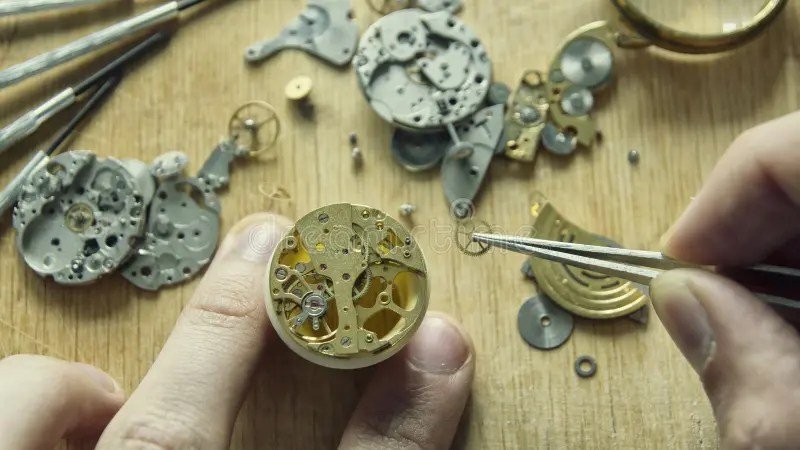
The rhythmic pulse of a finely crafted mechanical watch isn't just a testament to intricate engineering; it's a whisper of history, a personal legacy ticking on your wrist. But like any precision instrument, the enduring quality of these miniature marvels hinges on consistent care. Mastering the Mechanical Watch Repair & Servicing Essentials is key to preserving its accuracy, extending its lifespan, and safeguarding its inherent value, ensuring it remains a cherished heirloom for generations.
Before we dive into the delicate dance of gears and springs, let’s quickly equip you with the fundamental takeaways for keeping your timepiece in peak condition.
Quick Look: Your Watch Care Cheat Sheet
- Gentle Cleaning is Crucial: Regular, careful cleaning prevents dirt and oils from impairing performance and aesthetics.
- Professional Servicing is Non-Negotiable: Every 3-5 years, your watch needs a complete overhaul by an expert to ensure proper lubrication and function.
- Understand Water Resistance: Know your watch's rating and respect its limits; seals degrade over time, requiring professional testing.
- Address Issues Promptly: Unusual noises, erratic timekeeping, or a stopped watch signal a need for professional attention, not DIY attempts.
- Preventative Care Saves Money: Scheduled maintenance avoids minor issues from escalating into expensive repairs.
- Store It Wisely: Protect your watch from environmental extremes and physical damage with proper storage solutions.
The Essential First Step: Gentle Exterior Cleaning
Even the most robust mechanical movement can be compromised by external neglect. Over time, dust, skin oils, and environmental grime accumulate on your watch's case, crystal, and band, affecting both its performance and its aesthetic appeal. A regular, gentle cleaning routine is your first line of defense.
Think of it as brushing your teeth for your watch – a simple act that prevents bigger problems down the line.
Your Cleaning Arsenal: What You’ll Need
Before you begin, gather these essential tools. Precision is key, so don't substitute with harsh alternatives.
- Soft, Lint-Free Cloths: Microfiber cloths are ideal for gentle wiping without scratching.
- Mild Soap: A small amount of dish soap or hand soap, free of harsh detergents or abrasives.
- Lukewarm Water: Never hot or cold extremes, which can shock materials or compromise seals.
- Soft-Bristle Toothbrush: An old, clean toothbrush (or a watchmaker's specific brush) is perfect for getting into nooks and crannies.
- Cotton Swabs: Excellent for detailed work on the crystal.
- Watchmaker’s Screwdriver Set (Optional): Only if you’re comfortable detaching the watchband; otherwise, leave the band attached or seek professional help.
Step-by-Step: A Gentle Wash for Your Timepiece
Always approach cleaning with a delicate touch. This isn't about scrubbing; it's about careful removal of surface debris.
- Detach the Watchband (If Applicable): If your watch has an easily detachable band (like many leather or NATO straps), carefully remove it. This allows for more thorough cleaning of both components. For metal bracelets, it might be easier to clean them while attached, unless you have the right tools and expertise.
- Clean the Watchband:
- Metal Bracelets: Submerge the metal band (if detached) in a solution of mild soap and lukewarm water. Gently scrub with a soft-bristle toothbrush to dislodge grime from between links. Rinse thoroughly under clean lukewarm water and pat dry immediately with a soft cloth. Ensure all moisture is gone, especially from pivot points.
- Leather/Fabric Straps: For leather, simply wipe with a slightly damp, soft cloth and mild soap, then wipe dry. Avoid soaking leather. For fabric, a gentle hand wash with mild soap and water, followed by air drying, is usually sufficient.
- Clean the Watch Case: Moisten a soft cloth with your soapy water solution. Gently wipe down the watch case, paying attention to the sides and lugs. Crucially, avoid excessive moisture near the crown (the winding stem) and the crystal edges. These are potential entry points for water, especially if seals are compromised. For those hard-to-reach areas around the lugs or bezel, a soft-bristle toothbrush can carefully dislodge stubborn dirt.
- Polish the Crystal: Dip a cotton swab into the soapy water and, using gentle circular motions, clean the watch crystal. This allows for precise cleaning without over-saturating the case. Follow up with a clean, dry cotton swab to remove any streaks.
- Thorough Drying and Reassembly: Once all components are clean, ensure they are absolutely dry. Use a fresh, soft, lint-free cloth to gently buff the case and crystal. Reattach the watchband securely.
Actionable Insight: For a deeper clean, particularly if dirt has accumulated in hard-to-reach crevices or if you're unsure about detaching the band, it's always best to seek professional assistance from a qualified watchmaker or jeweler. They have specialized tools and ultrasonic cleaners that can do a more thorough job without risking damage.
Why What's Inside Matters: Lubrication and Professional Servicing
The true heart of your mechanical watch, its movement, is a symphony of tiny gears, springs, and levers, all working in precise harmony. For this ballet to perform flawlessly, every moving part must be properly lubricated. Over time, the microscopic oils and greases designed to reduce friction begin to degrade – they can dry out, evaporate, or simply become contaminated. This leads to increased friction, accelerated wear, and eventually, damage to critical components.
The Rationale for Regular Servicing
Imagine driving a car for years without an oil change. The engine would eventually seize. Your mechanical watch is no different, only its components are infinitely smaller and more delicate.
- Frequency: Mechanical watches generally require a full overhaul and lubrication every three to five years. This timeline can be shorter if the watch is worn daily, exposed to harsh conditions, or is a particularly complex movement. Think of it as a preventative health check for your most intricate possession.
- The Overhaul Process: Professional servicing is far more than just adding a few drops of oil. It's a meticulous, multi-step process:
- Complete Disassembly: The watchmaker carefully disassembles the entire movement, often under magnification, separating hundreds of tiny components.
- Thorough Cleaning: Each individual part is cleaned in specialized solutions to remove old, degraded lubricants, dust, and microscopic debris. This might involve ultrasonic cleaning for tiny parts.
- Inspection and Replacement: Every component is meticulously inspected for wear, corrosion, or damage. Worn parts (like gaskets, springs, or even tiny pivots) are replaced with new, genuine parts.
- Re-oiling and Reassembly: Using various types of specialized lubricants, often applied with oilers finer than a human hair, the watchmaker lubricates each contact point as the movement is carefully reassembled. Different oils are used for different parts based on friction, pressure, and speed.
- Regulation and Calibration: Once reassembled, the watch is adjusted for accuracy, often using electronic timing machines, to ensure it keeps time within manufacturer specifications.
- Gasket Replacement & Water Resistance Testing: All gaskets (crown, case back, crystal) are replaced to restore water resistance, which is then rigorously tested to factory standards.
- Case and Bracelet Refinishing (Optional): Many services include light polishing of the case and bracelet to restore its aesthetic appeal.
Actionable Insight: This is unequivocally not a DIY task. Attempting DIY lubrication without the specialized tools, knowledge, and clean room environment of a professional watchmaker will almost certainly lead to irreversible damage. Professional servicing ensures expertise and precision, safeguarding your watch's longevity and performance. Regular servicing is the single most effective way to prevent costly wear and tear down the line.
Understanding Water Resistance: More Than Just a Number
Many mechanical watches proudly display a "water resistance" rating, but this feature is often misunderstood. It's crucial to grasp that "water resistant" is not the same as "waterproof," and even a high rating comes with caveats.
Decoding Your Watch's Water Resistance Rating
Water resistance is typically measured in meters (m) or atmospheres (ATM), where 1 ATM is roughly equivalent to 10 meters of water pressure. Here’s a general guide:
- 30m (3 ATM): Splash-resistant. Can withstand hand-washing or light rain, but not showering or swimming.
- 50m (5 ATM): Suitable for light swimming or showering, but not diving or prolonged submersion. Avoid hot tubs or saunas.
- 100m (10 ATM): Generally suitable for swimming, snorkeling, and some water sports, but not high-impact water activities or diving.
- 200m (20 ATM) / Diver's Watches: Designed for serious water activities, including recreational scuba diving. These often meet ISO 6425 standards and have specific features like a unidirectional bezel.
Actionable Insight: - Know Your Limits: Always understand your specific watch's water resistance rating and strictly follow the manufacturer’s guidelines. Err on the side of caution.
- Avoid Unnecessary Exposure: Unless your watch is explicitly designed for water activities (like a dedicated dive watch), avoid all water exposure. This includes swimming, showering, bathing, or using it in a sauna or steam room. Heat and steam can cause seals to expand and contract, creating microscopic gaps for moisture to enter.
- Regular Testing is Essential: The gaskets and seals that provide water resistance are made of materials that deteriorate over time due to age, temperature fluctuations, and exposure to chemicals (like chlorine or soaps). Periodically, ideally during every 3-5 year service interval, have the water resistance tested by a professional watchmaker. This is especially critical before any planned water activities.
- Crown Management: Always ensure the crown is fully pushed in or screwed down (for screw-down crowns) before any potential exposure to moisture. Never operate the crown or pushers underwater.
Even if your watch boasts impressive water resistance, adopting a "preventative" mindset is always best. Unnecessary exposure tests the limits of those seals and gaskets, shortening their lifespan and increasing the risk of water ingress. Protecting your watch from moisture maintains its integrity and prevents potentially catastrophic damage to its intricate movement.
Decoding Watch Woes: Common Issues and When to Call a Pro
Mechanical watches, for all their robustness, can occasionally encounter hiccups. While some issues might seem minor, they can often be symptoms of deeper problems. Knowing when to simply wind your watch versus when to seek professional intervention is crucial.
Red Flags: When Your Watch Needs Expert Attention
- The Watch Stops Running Entirely:
- First Check: Ensure your watch is fully wound. For automatic watches, wear it regularly or use a watch winder. For manual-wind watches, wind it until you feel resistance.
- If the Issue Persists: If winding doesn't revive it, or it stops shortly after winding, this signals a potential internal issue such as a broken mainspring, a blocked gear train, or dried lubricants. Consult a professional watchmaker immediately.
- Inaccurate Timekeeping (Consistently Gaining or Losing Time):
- A mechanical watch isn't as accurate as a quartz watch, but significant, consistent deviations (more than a few seconds per day for a well-maintained watch) indicate a need for adjustment. This is often a regulation issue, where the balance wheel's oscillation rate needs fine-tuning.
- Action: Take it to a qualified watchmaker for regulation and calibration. They use specialized timing machines to precisely adjust the watch's rate.
- Unusual Noises (Beyond Normal Ticking):
- If you hear grinding, clicking, scraping, or any sound out of the ordinary, it suggests a problem with the movement. This could be anything from a loose screw, a damaged gear, or a rotor (in an automatic watch) that isn't moving freely.
- Action: Stop wearing the watch and seek professional assistance immediately. Continuing to wear it could exacerbate the damage.
- Loose Crown or Stem:
- The crown is your interface with the movement. If it feels wobbly, pulls out too easily, or detaches, the stem (the rod connecting the crown to the movement) may be loose or bent.
- Action: Do not force or manipulate it. Any undue pressure can damage the delicate setting mechanism. A watchmaker can tighten or repair it.
- Scratches and Physical Damage:
- While not a mechanical issue, cosmetic damage can detract from your watch’s value and appearance. Deep scratches on the case or a chipped/cracked crystal can also compromise water resistance.
- Action: A professional watchmaker or jeweler can often polish or refinish the case and bracelet to remove superficial scratches. A cracked crystal, however, absolutely needs replacement, as it leaves the movement vulnerable.
Other Key Indicators for Immediate Servicing:
- Stiff Rotor: For automatic watches, if the rotor (the oscillating weight on the back of the movement) feels stiff or doesn't spin freely when you gently rock the watch, it might indicate issues with its bearings or obstruction.
- Power Reserve Issues: If your watch stops quickly after winding, or doesn't maintain its power reserve when not worn for a day or two (for an automatic), the mainspring or winding mechanism may be at fault.
- Inconsistent Timekeeping: Your watch might be accurate for a day, then suddenly lose or gain significant time the next. This erratic behavior is a strong sign of internal instability, possibly a loose part or an issue with the escapement.
- Moisture/Water Seepage: This is perhaps the most critical indicator. If you see fogging under the crystal, visible water droplets, or any condensation, act immediately. Water or moisture can rapidly corrode and severely damage the intricate steel components and delicate lubricants of the movement.
- Action: Take it to a watchmaker immediately. Every minute counts. Do not try to dry it yourself with heat, as this can worsen the damage.
Actionable Insight: For any significant issues or repairs, from a minor adjustment to a full restoration, it is always best to consult a qualified, reputable watchmaker. Their expertise, specialized tools, and understanding of the delicate mechanics are invaluable. Attempting to fix problems yourself risks turning a minor issue into a major, costly repair. The complexity of these movements demands professional handling. It's akin to the precision required for other delicate systems; for instance, understanding how to manage Your ultimate guide to Frozen systems might feel complex, but mechanical watches operate on an even smaller, more intricate scale.
The Power of Prevention: Proactive Care for Lasting Accuracy
While addressing issues as they arise is important, true stewardship of a mechanical watch lies in preventative care. Many internal problems—like dried lubricants, worn seals, or misaligned components—can go unnoticed by an untrained eye. You won't hear a "check engine" light in your watch, but the silent degradation of its internal health can lead to significant and often preventable damage.
Why Preventative Maintenance Pays Off
- Catching Issues Early: Regular servicing allows a skilled watchmaker to identify and rectify minor wear and tear before it escalates. A slightly worn jewel, if left unattended, could lead to increased friction, damaging a pivot and requiring a much more extensive and costly repair.
- Maintaining Optimal Performance: Fresh lubrication ensures every part moves with minimal resistance, contributing to consistent timekeeping and reducing stress on the movement.
- Preserving Value: A watch with a documented service history and well-maintained internal components retains its monetary and sentimental value far better than one that has been neglected and suffered significant wear.
- Manufacturer Recommendations: Most reputable watch manufacturers recommend a complete service every 3-5 years. This isn't just a suggestion; it's based on decades of engineering and experience regarding the lifespan of lubricants and the wear rates of components. Adhering to this schedule is the single most important preventative measure you can take.
Actionable Insight: Investing in routine preventative maintenance is not an expense; it's an investment in your watch's future. It prevents potential issues from becoming costly repairs or, worse, causing irreparable damage to irreplaceable components. Consider setting a reminder on your calendar for when your watch's next service is due, just as you would for your car or home appliances.
The Mechanical Advantage: A Brief Nod to Quartz
When discussing the performance of mechanical watches, it's often useful to briefly acknowledge their quartz counterparts. Quartz watches are renowned for their exceptional accuracy, driven by a battery-powered quartz crystal that oscillates at a precise frequency. This electronic precision often means they gain or lose only a few seconds per month, requiring minimal adjustment.
Mechanical watches, by contrast, are intricate marvels of springs, gears, and levers. While high-end mechanical movements can be incredibly precise, achieving accuracy within a few seconds per day, they are inherently more susceptible to variations caused by temperature, gravity, and shock. They may require periodic regulation by a watchmaker to maintain their optimal accuracy.
The choice between mechanical and quartz often comes down to appreciation for craftsmanship, tradition, and the "living" nature of a mechanical movement versus the sheer convenience and consistent accuracy of a quartz movement. Servicing essentials, of course, are unique to the mechanical world.
Safe Harbor: Optimal Storage for Your Timepiece
How you store your mechanical watch when it's not adorning your wrist is just as important as how you care for it while it is. Proper storage protects your investment from environmental hazards and physical damage, ensuring it's ready to tick reliably whenever you choose to wear it.
The Ideal Environment for Your Watch
- Cool, Dry Place: Humidity is the enemy of a mechanical movement, encouraging corrosion and degrading lubricants. Extreme temperatures, hot or cold, can affect the viscosity of oils and potentially warp gaskets. Store your watch away from bathrooms, kitchens, direct sunlight, or heating/cooling vents.
- Away from Magnetic Fields: Modern watches are often anti-magnetic, but strong magnetic fields (from speakers, refrigerators, certain electronics, or airport scanners) can still magnetize components like the hairspring. A magnetized hairspring will stick together, leading to significant inaccuracies. Store your watch away from such sources.
Essential Storage Solutions
- Watch Box or Case: This is a fundamental accessory for any watch enthusiast. A dedicated watch box, often lined with soft material, provides multiple benefits:
- Protection from Dust and Moisture: A sealed box helps shield your watch from ambient dust and reduces exposure to fluctuating humidity.
- Physical Protection: It guards against accidental bumps, drops, and scratches from other objects.
- Organization: Keeps your watches tidy and easily accessible.
- Watch Winder: For automatic mechanical watches that you don't wear daily, a watch winder is an excellent investment.
- Keeps it Wound: A winder gently rotates the watch to keep the mainspring wound, ensuring the watch remains running and accurate even when not worn.
- Maintains Lubricant Distribution: Keeping the watch running helps to prevent the lubricants from settling or congealing, maintaining the movement's health.
- Convenience: Your watch is always set and ready to wear, saving you the hassle of resetting the time and date.
Actionable Insight: Whether you choose a simple watch box or a sophisticated winder, prioritize a clean, stable environment for your timepieces. This thoughtful approach to storage significantly contributes to their longevity and consistent performance.
Your Next Tick: Embracing a Culture of Care
Caring for a mechanical watch is more than a chore; it's an appreciation of craftsmanship, a nod to tradition, and an act of preserving a miniature legacy. By understanding the Mechanical Watch Repair & Servicing Essentials, you empower yourself to be a responsible steward of these incredible timepieces.
From the simple act of a gentle exterior clean to the critical decision of regular professional servicing, each step contributes to the watch's enduring quality and its ability to keep precise time for years to come. Don't wait for a problem to arise; instead, cultivate a proactive approach. Schedule that service, protect it from the elements, and enjoy the confidence that comes from owning a well-cared-for piece of horological art. Your watch will not only keep time but also tell a story of careful ownership for generations to follow.